
Get Building Tuckpointing in Louisville, KY
Building tuckpointing services help Louisville property owners repair and restore brickwork by removing damaged mortar and replacing it to prevent structural issues and improve appearance.
Building tuckpointing services are an important consideration for property owners in Louisville, KY, who want to maintain the structural integrity and aesthetic appeal of their buildings. Tuckpointing involves carefully repairing the mortar joints between bricks or stones, helping to prevent water infiltration, reduce damage from weathering, and preserve the overall stability of the structure. For those planning renovation projects or ongoing maintenance, exploring local contractors who specialize in tuckpointing can provide valuable options for ensuring the work is done effectively and in line with the specifics of Louisville’s climate and building styles.
Property owners interested in building tuckpointing may find it helpful to compare different local service providers to identify the right fit for their project needs. Considering the experience and expertise of nearby contractors can make a difference in achieving durable, long-lasting results. Keep reading to discover how connecting with qualified local professionals can support the planning process and help ensure the work aligns with the goals for your property.
- Brick wall restoration - needed when mortar joints have become cracked or deteriorated, compromising the wall’s stability.
- Historic building preservation - required for restoring traditional brickwork in older neighborhoods like Old Louisville.
- Chimney repair and maintenance - essential when mortar joints around chimneys show signs of wear or damage.
- Commercial building facade repair - necessary for maintaining the structural integrity and appearance of storefronts and office buildings.
- Residential home exterior renovation - needed when exterior brickwork or stonework shows signs of weathering or damage over time.
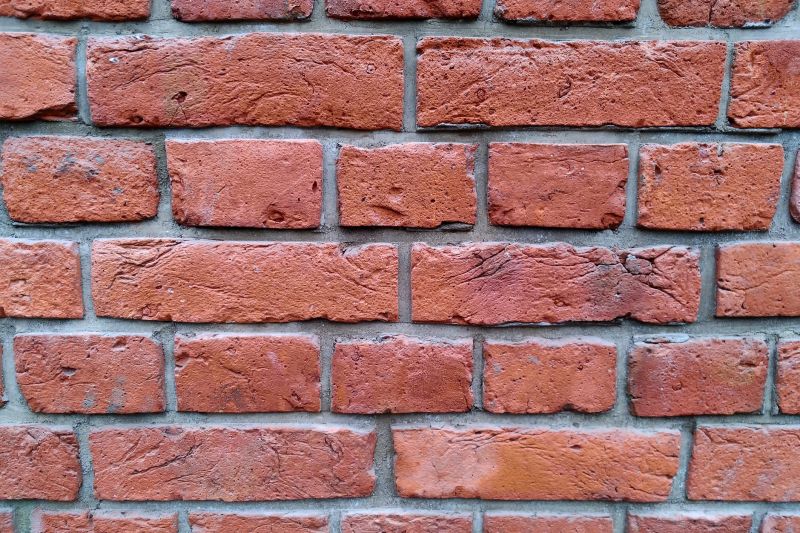
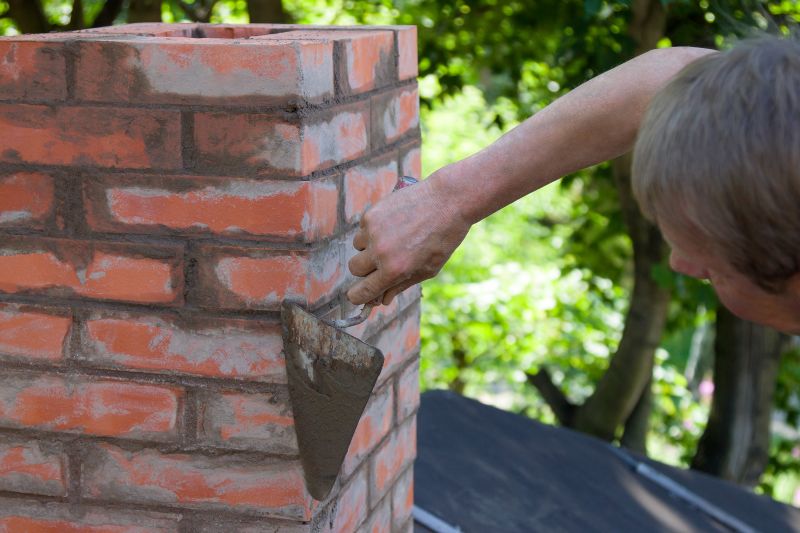
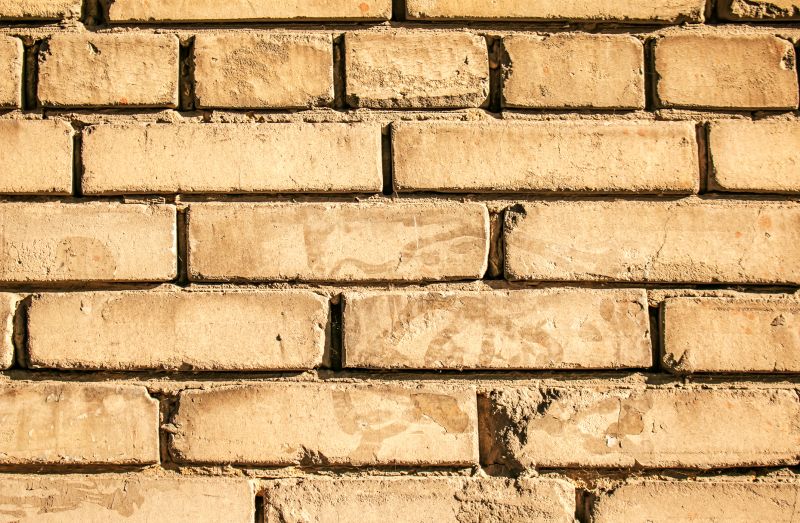
Building tuckpointing services involve the careful process of repairing and restoring the mortar joints between bricks or stones on a building’s exterior. Over time, mortar can crack, crumble, or erode due to weather exposure and age, which can compromise the structural integrity and appearance of a property. Skilled contractors remove the damaged mortar and replace it with fresh, durable material that matches the original in color and texture. This process helps maintain the stability of the masonry and preserves the aesthetic appeal of the building’s facade.
Tuckpointing is especially valuable for addressing common problems such as crumbling mortar, water infiltration, and brick or stone movement. When mortar deteriorates, it creates gaps that allow moisture to seep into the wall, potentially leading to more serious issues like mold, rot, or even structural weakening. Repairing these joints through tuckpointing helps prevent water damage, reduces the risk of brick or stone shifting, and extends the lifespan of the masonry. It is a practical solution for homeowners noticing visible cracks, loose bricks, or signs of mortar decay on their property.
This service is frequently used on a variety of property types, including historic homes, apartment buildings, commercial storefronts, and residential houses. Older properties with traditional brick or stone exteriors often require tuckpointing to maintain their original charm and structural soundness. Additionally, newer buildings may need tuckpointing if mortar joints become compromised over time due to settling or exposure to the elements. Homeowners and property managers seeking to protect their investment and uphold the visual appeal of their buildings often turn to local contractors specializing in tuckpointing services.
Homeowners typically consider tuckpointing when they notice visible cracks, crumbling mortar, or water stains on their exterior walls. It is also a recommended maintenance step for properties in areas with harsh weather conditions, such as Louisville, KY, where freeze-thaw cycles can accelerate mortar deterioration. Tuckpointing can help restore the look of a building’s facade, improve its structural stability, and prevent further damage. Connecting with experienced local service providers ensures that the work is done properly, preserving the integrity and value of the property for years to come.
The overview below groups typical Building Tuckpointing projects into broad ranges so you can see how smaller, mid-sized, and larger jobs often compare in Louisville, KY.
In many markets, a large share of routine jobs stays in the lower and middle ranges, while only a smaller percentage of projects moves into the highest bands when the work is more complex or site conditions are harder than average.
Smaller Repairs - Typically, minor tuckpointing work costs between $250 and $600 for many smaller jobs. These projects often involve patching small areas or replacing a few bricks and are common in routine maintenance. The final price can vary based on the extent of damage and the size of the area.
Medium-Size Projects - Larger repairs or partial repointing generally fall within the $600-$2,000 range. Many local contractors handle these jobs regularly, which tend to be more straightforward but require more time and materials. Costs may increase with the complexity of the brickwork or accessibility.
Full Tuckpointing - Complete tuckpointing of a standard-sized wall can range from $2,000 to $4,500. These projects are common for maintaining the structural integrity of older or larger buildings and often involve extensive labor. Fewer jobs reach the upper end of this range, which applies to larger or more detailed work.
Full Replacement or Restoration - Full brick replacement or extensive restoration projects can cost $5,000 or more, especially for historic or large-scale structures. Such projects are less frequent but necessary for severely damaged or deteriorated masonry, requiring specialized skills and materials.
Actual totals will depend on details like access to the work area, the scope of the project, and the materials selected, so use these as general starting points rather than exact figures.
Brick Restoration - this project involves repairing and restoring brickwork, requiring similar skills in matching mortar and working with masonry materials as building tuckpointing.
Masonry Repair - local contractors performing masonry repairs often use tools and techniques comparable to those used in tuckpointing to fix damaged or deteriorated brick and mortar joints.
Chimney Repointing - repointing chimneys involves removing old mortar and applying new mortar, similar to the planning and precision needed for tuckpointing on building exteriors.
Stone Masonry Work - working with natural stone and mortar in stone masonry shares techniques and planning considerations with tuckpointing projects.
Facade Restoration - restoring building facades often includes tuckpointing as part of the process to improve structural integrity and appearance.
Historic Building Preservation - preserving historic brick and stone structures requires careful mortar work comparable to tuckpointing to maintain authenticity and stability.
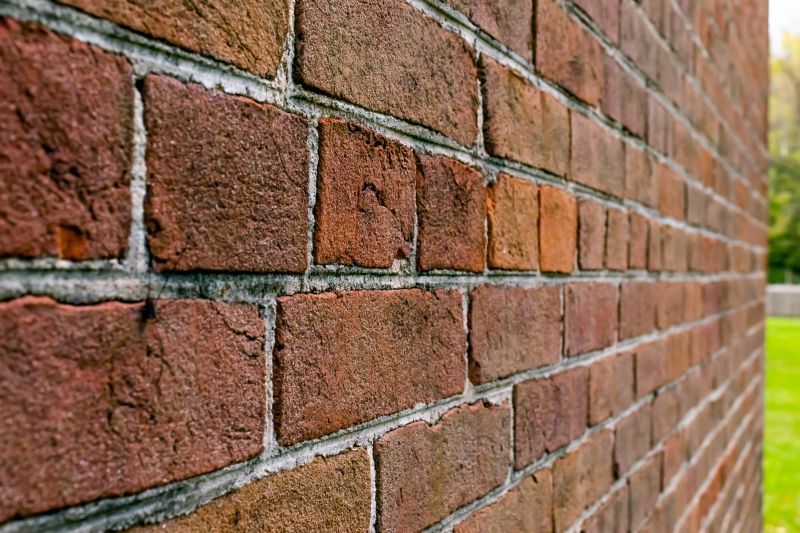
When evaluating contractors for tuckpointing services, it’s important to consider their experience with similar projects within the Louisville area. Homeowners should inquire about how long a service provider has been performing tuckpointing work and whether they have handled projects comparable in size and scope. A contractor with a proven track record of successful, similar projects can often demonstrate familiarity with the specific challenges that come with local brickwork and masonry conditions, which can contribute to a more reliable outcome.
Clear, written expectations are essential to ensure that both the homeowner and the service provider are aligned on the scope of work, materials, and finishes. Homeowners should seek detailed proposals that outline what will be done, the materials to be used, and any specifics about the work process. Having this information in writing helps prevent misunderstandings and provides a reference point throughout the project. It’s also advisable to ask for reputable references or examples of previous work to verify the quality and consistency of the contractor’s craftsmanship.
Effective communication and reputable references are key indicators of a dependable service provider. Homeowners should look for local contractors who are responsive and willing to address questions or concerns throughout the process. Checking references or reviews can provide insight into the contractor’s professionalism, reliability, and the satisfaction of past clients. Remember, the goal is to connect with experienced, transparent, and communicative local service providers capable of handling the project with skill and care, rather than expecting the site to perform the work itself.
Property owners in Louisville, KY use Building Tuckpointing services for practical projects around their homes and businesses. This guide focuses on everyday jobs and straightforward project options.
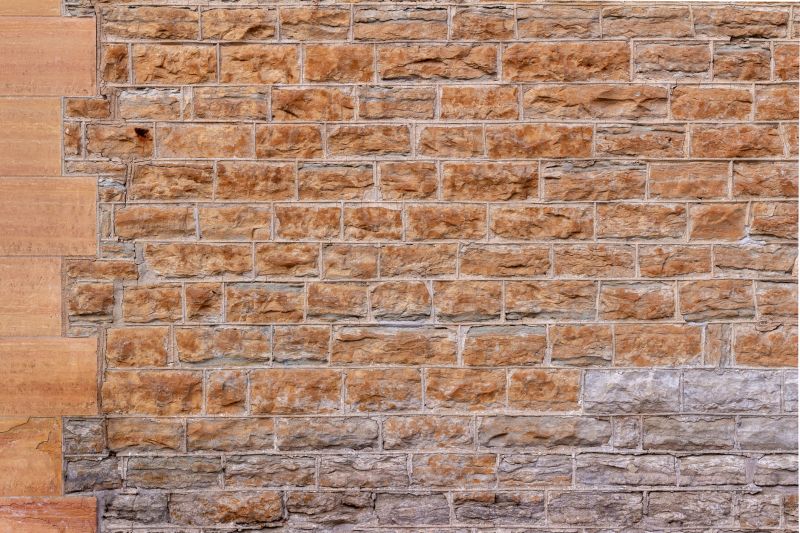
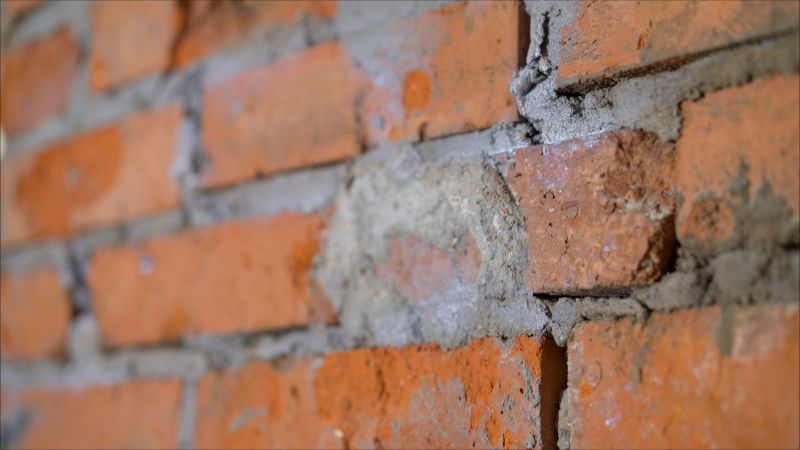
Building tuckpointing services are commonly needed when brick or stone walls in Louisville properties show signs of deterioration or damage. Property owners might notice crumbling mortar joints, cracks, or gaps that compromise the structural integrity or aesthetic appeal of their buildings. Whether it's a historic home that needs preservation or a commercial building requiring maintenance, local contractors can provide the expertise to restore and reinforce these masonry elements effectively.
Additionally, many property owners seek tuckpointing services to improve the appearance of their exteriors or prevent further damage caused by weather exposure. In Louisville’s climate, moisture can seep into deteriorated mortar, leading to more extensive issues over time. Local service providers can address these concerns by replacing or repairing mortar joints, helping to protect the property and maintain its value.
What is tuckpointing and why is it important? Tuckpointing is a masonry repair process that involves removing damaged mortar between bricks and replacing it to restore structural integrity and appearance of a building's exterior.
How can I tell if my building needs tuckpointing services? Signs include cracked, crumbling, or missing mortar, water infiltration, or visible gaps between bricks that may indicate deteriorating mortar joints.
What types of buildings typically require tuckpointing? Tuckpointing is commonly needed for historic brick buildings, homes, and commercial structures with mortar joints showing signs of wear or damage.
Are there different styles of tuckpointing to match my building’s look? Yes, local contractors can often match mortar color and joint style to preserve the original appearance of your building.
What should I consider when choosing a tuckpointing service provider? Look for experienced local contractors with good reputations who can assess your needs and provide quality workmanship for your masonry repairs.
Improve Brick Wall Durability - Tuckpointing can help strengthen brick structures, making them more resistant to weather damage and everyday wear.
Restore Curb Appeal - Property owners can refresh the look of their homes or buildings by having cracked or deteriorated mortar replaced.
Prevent Water Damage - Proper tuckpointing ensures joints are sealed, reducing the risk of water infiltration during rain or snow.
Maintain Structural Integrity - Regular mortar repairs can help preserve the stability of chimneys, foundations, and exterior walls over time.
If you are thinking about Building Tuckpointing for a property in Louisville, KY, this guide is meant to help you understand the work, the typical project types, and how different options might fit your plans.
When you are ready, you can use the quote form on this page to share a few details about your project. From there, local pros can review the basics and respond with options that match what you have in mind.